
Custom Electric Cargo Trike Supplier Factory
- Sale!
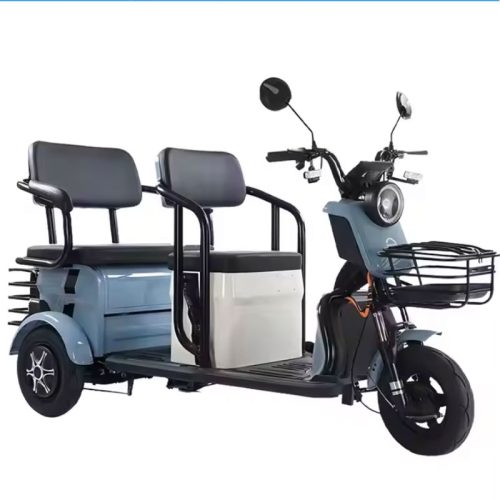
Three Wheel Bikes for Seniors
Original price was: $2,500.00.$1,150.00Current price is: $1,150.00.
54% Off
- Sale!
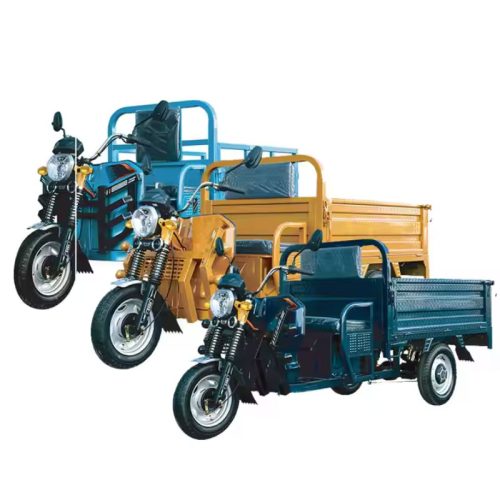
Zaoyeo Three Wheeler for Sale
Original price was: $2,500.00.$950.00Current price is: $950.00.
62% Off
- Sale!
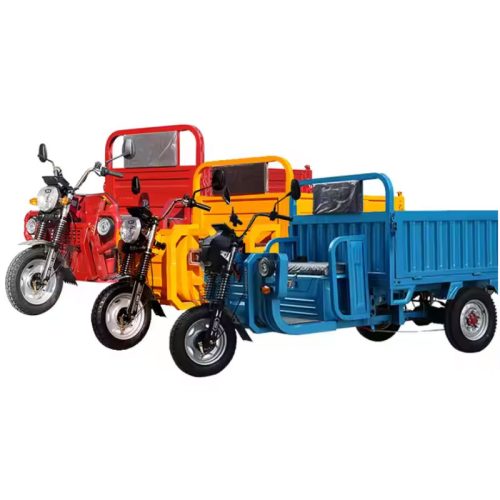
High-Speed 3-Wheel Open Body Car for Adults for Cargo Use
Original price was: $2,500.00.$850.00Current price is: $850.00.
66% Off
- Sale!
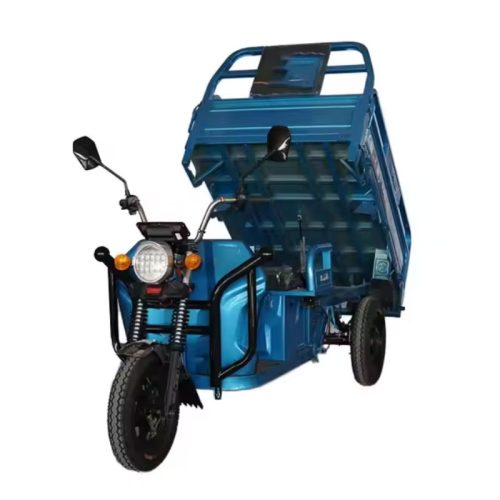
Electric Tricycle China
Original price was: $2,500.00.$1,500.00Current price is: $1,500.00.
40% Off
- Sale!
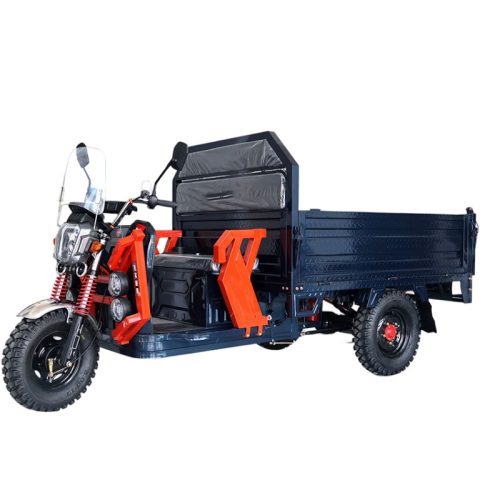
Electric Fat Tire Tricycle for Adults
Original price was: $2,500.00.$1,900.00Current price is: $1,900.00.
24% Off
- Sale!
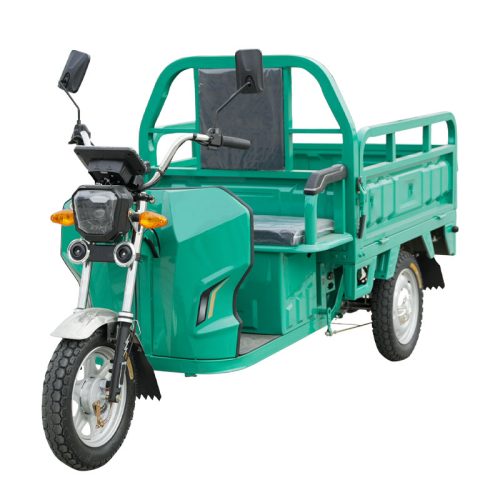
Cargo Pulling Electric Tricycle
Original price was: $2,000.00.$1,800.00Current price is: $1,800.00.
10% Off
- Sale!
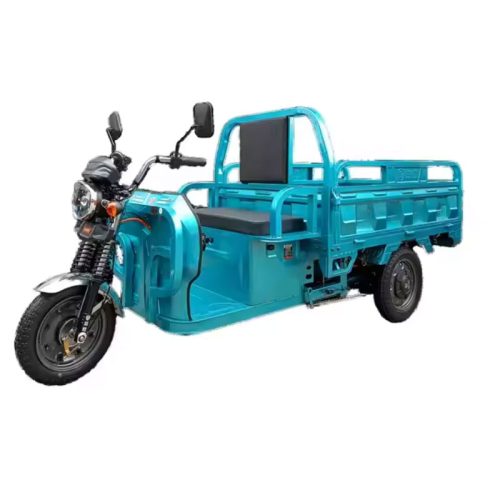
Used Electric Tricycle for Adults
Original price was: $2,000.00.$800.00Current price is: $800.00.
60% Off
- Sale!
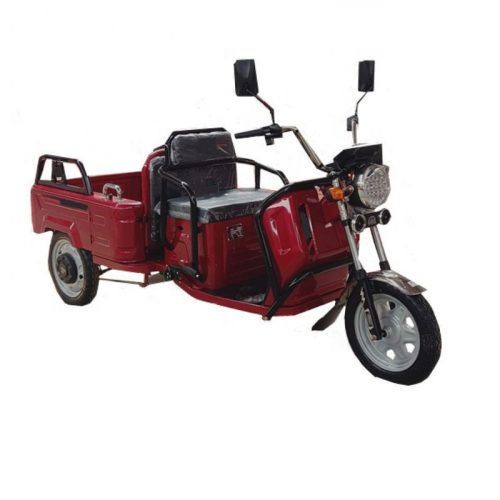
Used Electric Tricycle
Original price was: $2,000.00.$600.00Current price is: $600.00.
70% Off
- Sale!
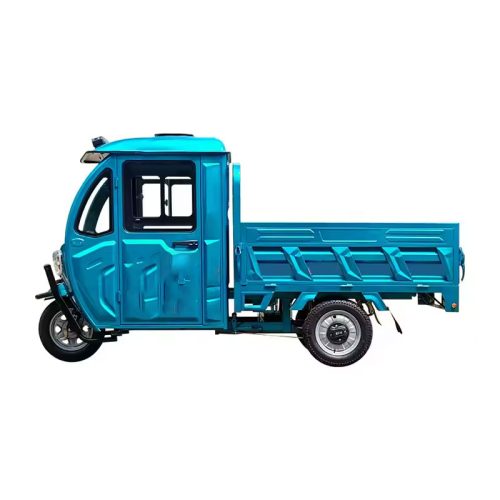
Electric Tricycle with Battery Conversion Kit
Original price was: $2,000.00.$1,800.00Current price is: $1,800.00.
10% Off
- Sale!
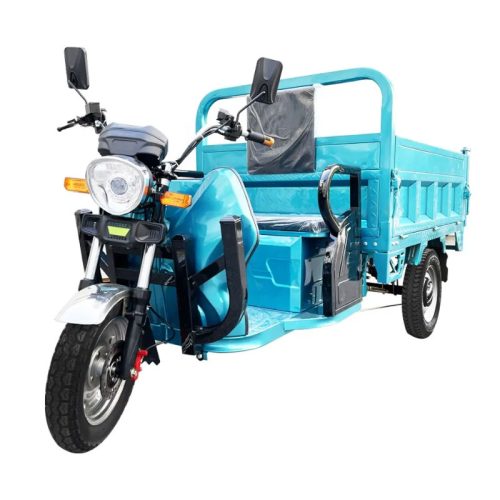
Razor Power Rider 360 Electric Tricycle
Original price was: $2,000.00.$1,300.00Current price is: $1,300.00.
35% Off
- Sale!
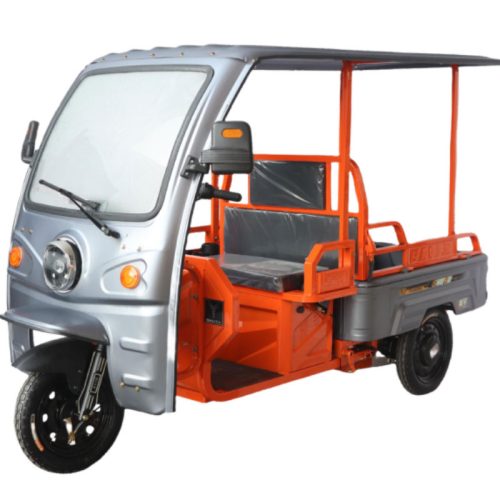
Rickshaw For Sale
Original price was: $2,000.00.$1,200.00Current price is: $1,200.00.
40% Off
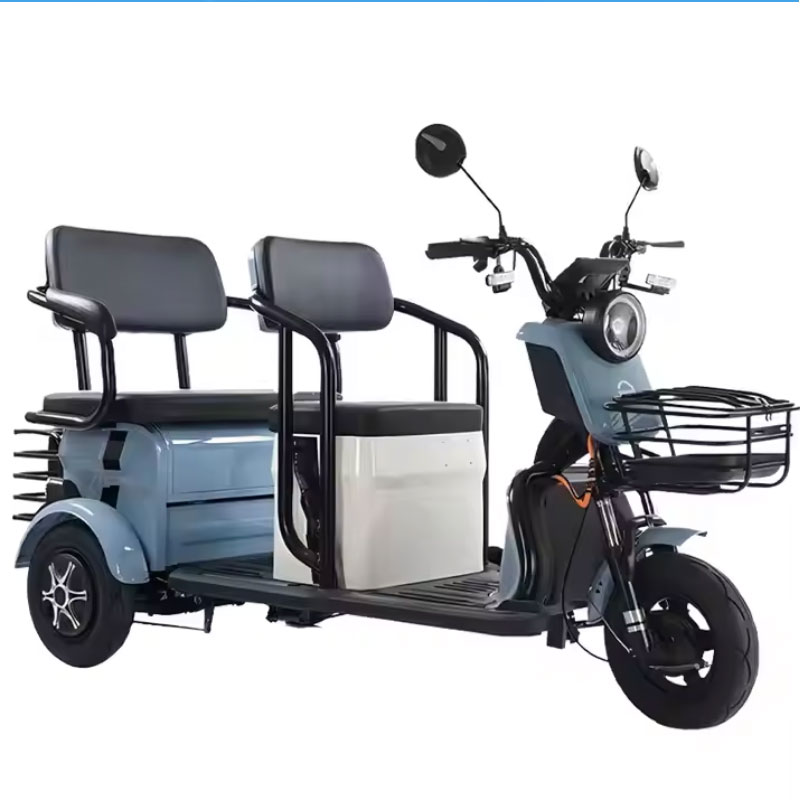
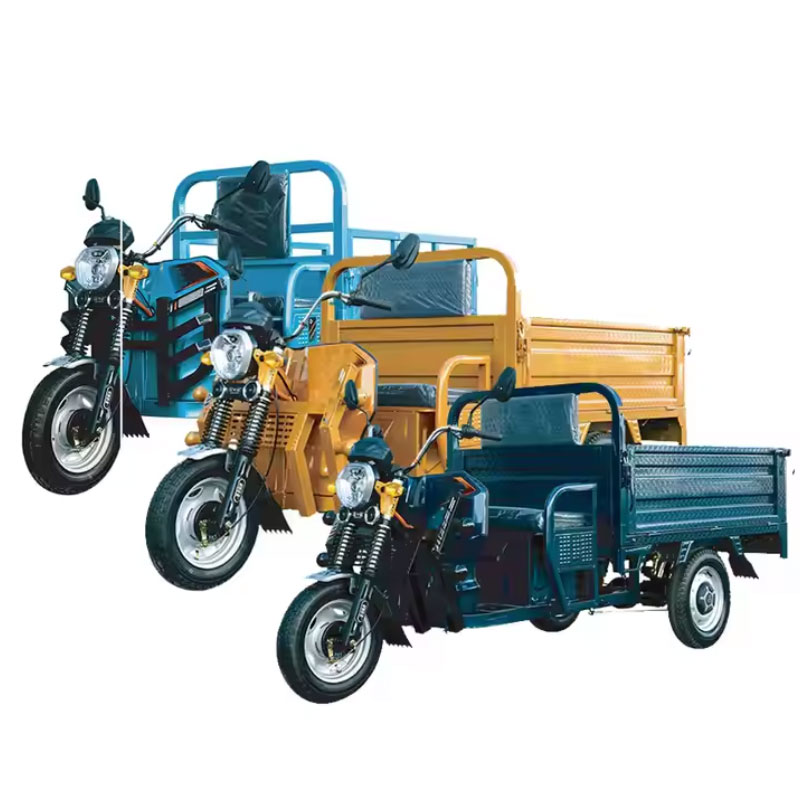
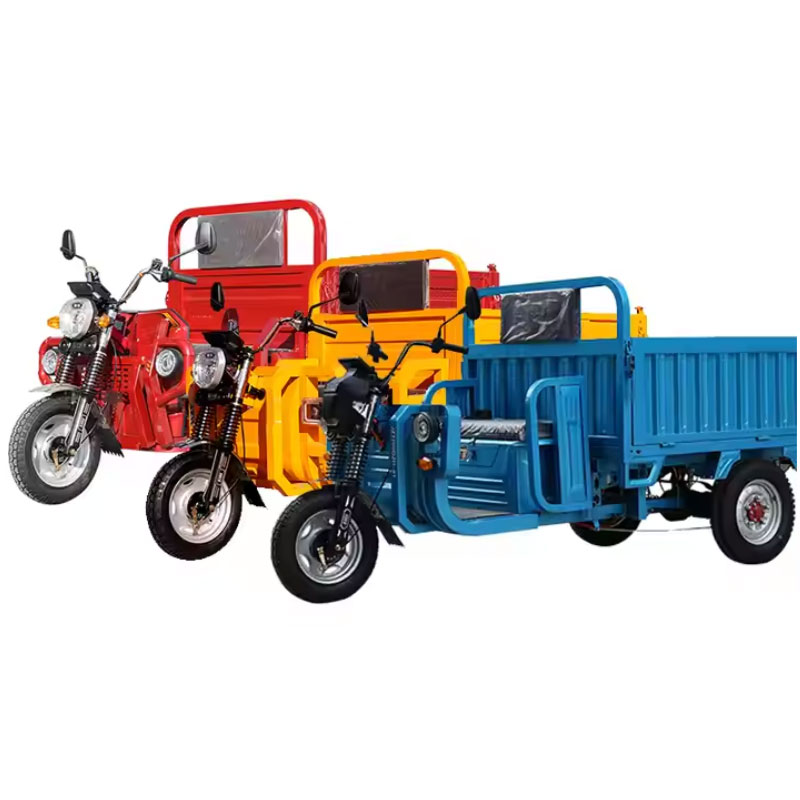
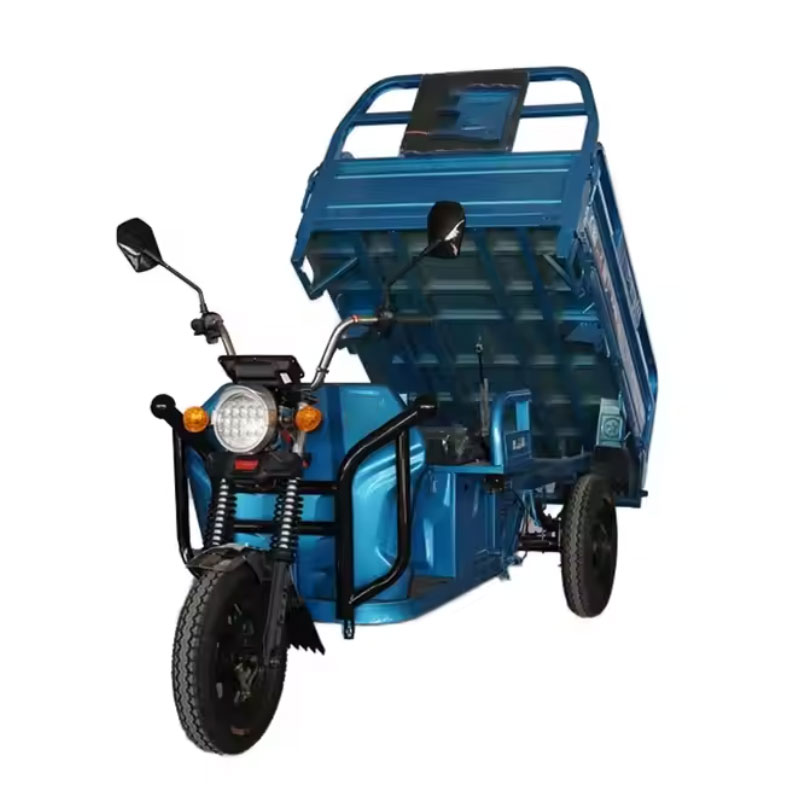
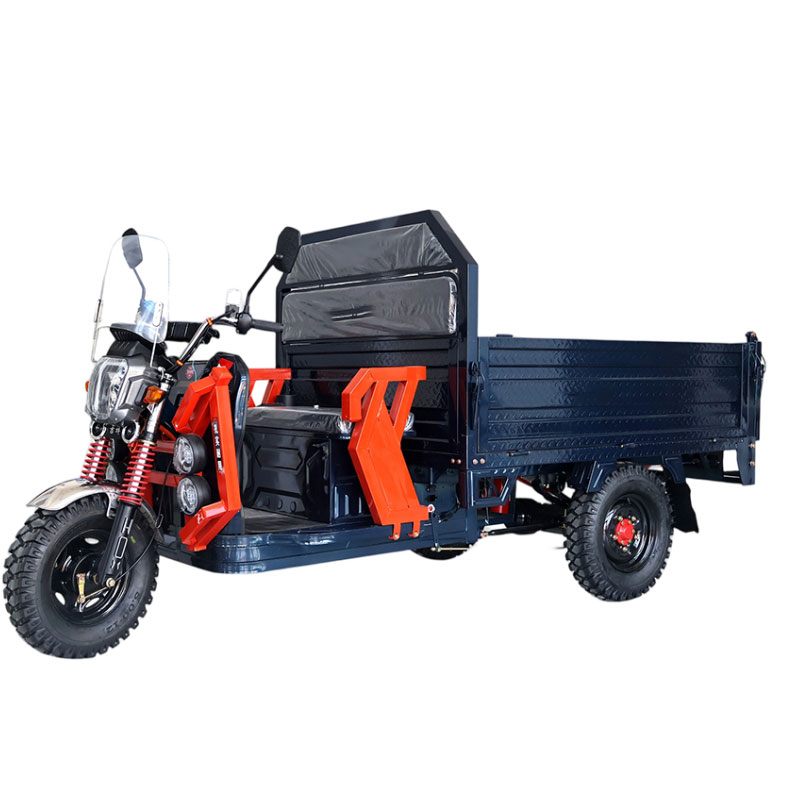
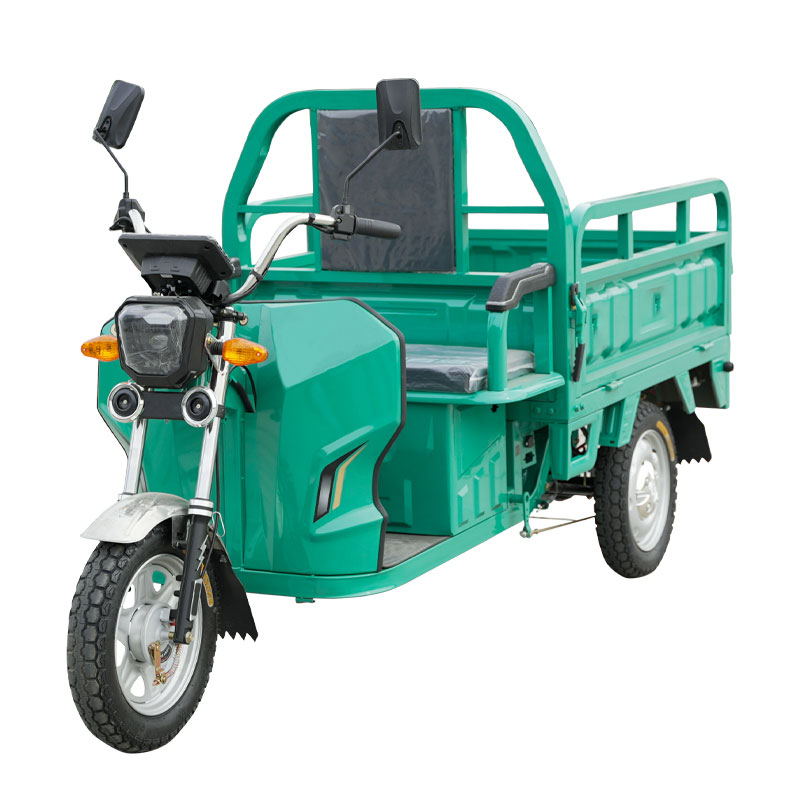
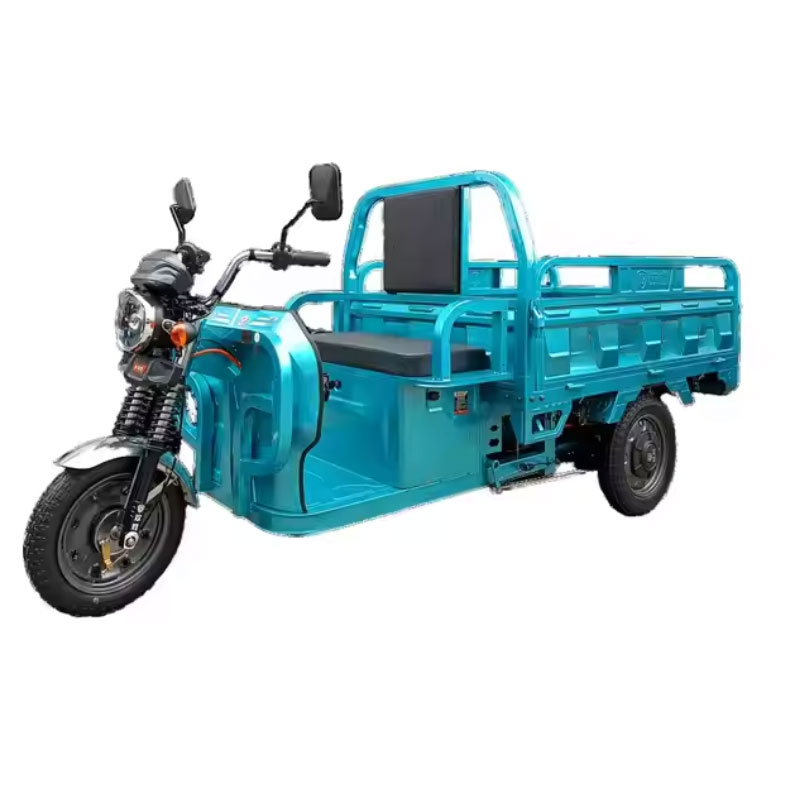
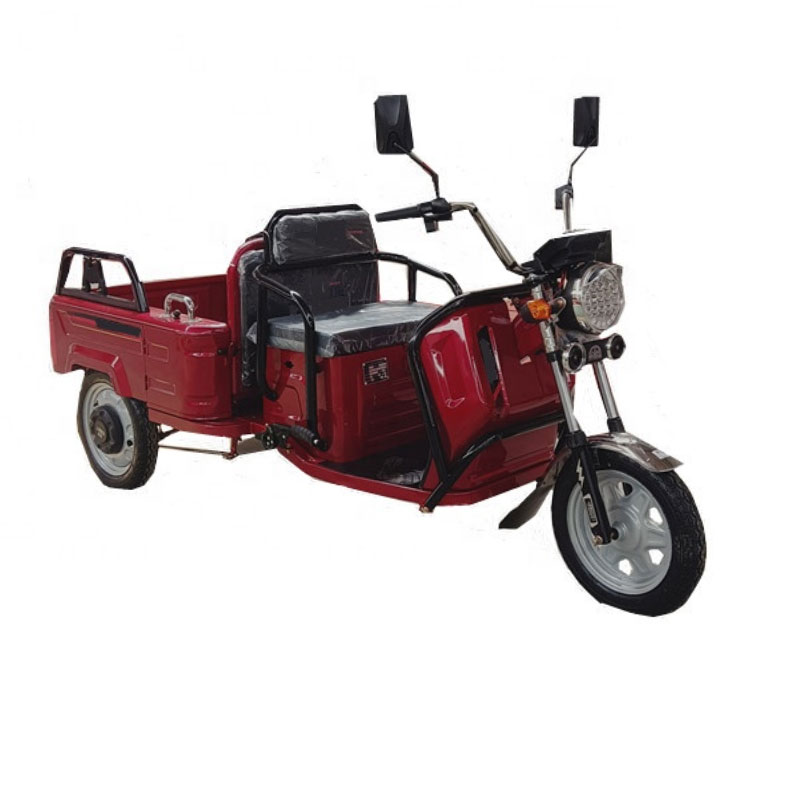
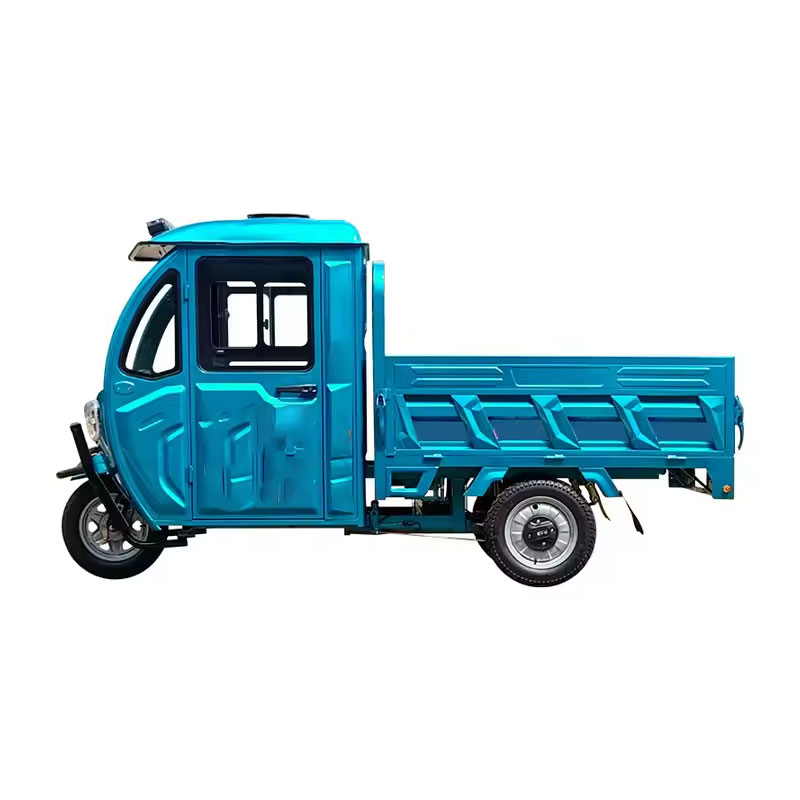
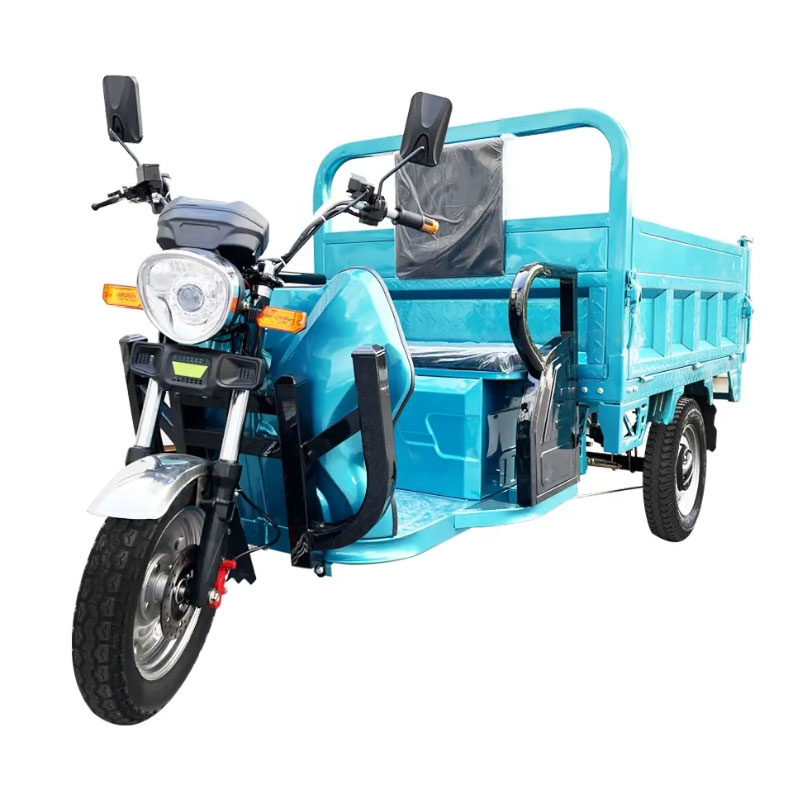
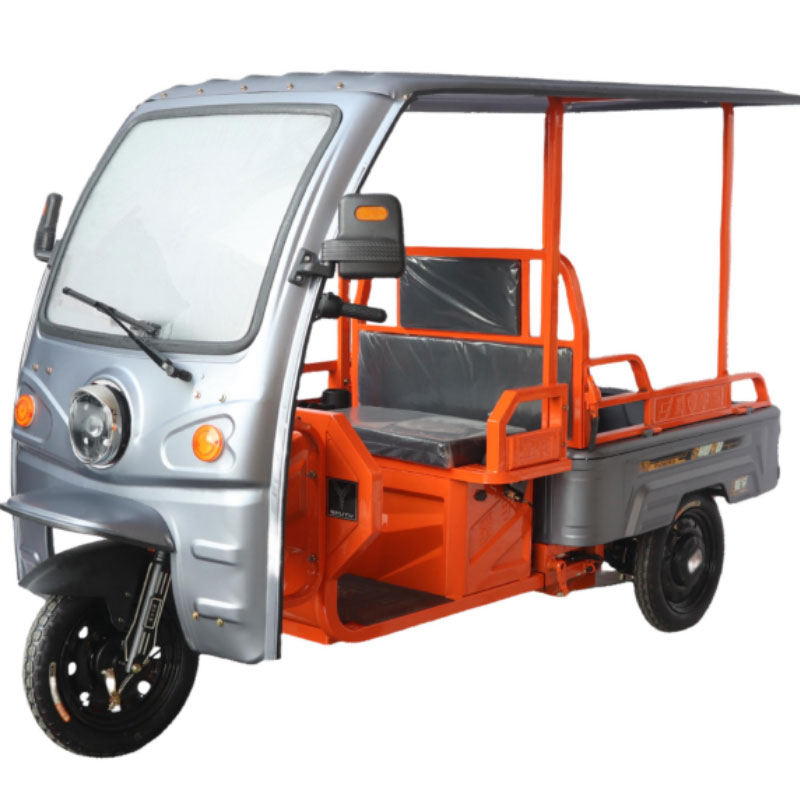
Electric Cargo Trike Pros and Cons
In rural areas, the three-wheeled vehicle serves as an indispensable helper for farmers, proving useful for transporting agricultural produce and supplies, as well as for daily travel. Yet with such a wide variety available on the market, how should one choose? Today we shall discuss the suitability of electric and petrol-powered three-wheelers for agricultural tasks.
1.Electric Tricycles
1. Advantages: Electric tricycles boast low running costs, with electricity far cheaper than petrol, yielding significant savings over time.
Moreover, they produce zero emissions, eliminating exhaust pollution and generating minimal noise, making them both environmentally friendly and quiet to operate.
Operation is relatively straightforward, requiring no complex driving skills and being easy to master. Maintenance is also uncomplicated, primarily involving regular checks of the battery and electrical system, resulting in low upkeep costs.
2. Disadvantages: Limited range, typically only covering several dozen kilometres on a full charge, which may prove insufficient for long-distance transport.
Charging takes considerable time, unlike refuelling which takes mere minutes; a full charge often requires several hours, causing inconvenience when urgent use is required. In some rural areas, charging infrastructure may be inadequate, making charging less convenient.
3. Suitable scenarios: Electric tricycles are ideal for local village use, such as transporting farm tools or fertilisers to fields, or delivering produce to nearby markets. Their short-range capability and modest load capacity make them perfectly suited.
They also excel in domestic scenarios like school runs or daily grocery shopping.
